
Flight changes and cancellations guide
British Airways Flight Changes and Cancellations: A Practical Guide
Changing or cancelling a British Airways booking starts with the reason for the request, the ticket issuer and the complete fare rules. A voluntary request is different from an airline cancellation or schedule change, and the available outcome depends on the specific ticket and circumstances.
In short: Before changing or cancelling, identify who issued the ticket, check the fare conditions and compare the airline penalty, fare difference, recalculated taxes and any applicable agency service fee. During airline disruption, review the alternatives in Manage My Booking before buying another ticket.
Prepared by Catchaflight
Catchaflight is an independent travel agency that helps travellers compare itineraries, understand fare conditions and arrange flight bookings. Our guides draw on practical booking-assistance experience and are checked against current airline and other relevant official sources before publication.
- Published
- Published:
- Last updated
- Last updated:

Should you change or cancel the booking?
We first ask why the passenger wants to cancel and whether they expect to travel later.
If the passenger still intends to travel, changing the booking may be more appropriate than cancelling it, depending on the fare conditions, available flights and total cost. Cancelling first can remove confirmed space before a suitable replacement has been assessed.
For broader planning before buying a ticket, the British Airways flights guide explains how to compare fares, baggage, seating and London connections. For an existing reservation, the British Airways Manage Booking guide explains how to verify the booking reference, ticket number and issuer before requesting a transaction.
A voluntary British Airways flight change or cancellation is initiated by the passenger. An airline cancellation or qualifying schedule change is disruption controlled by the airline and can create different rebooking or refund options. The two situations should not be described as if the same rules apply.
Check who issued and controls the ticket
The booking source, ticket issuer, marketing airline and operating airline can have different responsibilities.
- Identify where the booking was purchased and which airline or agency issued the ticket.
- Check whether every flight is marketed and operated by British Airways or whether a partner operates a segment.
- Confirm whether the ticket is fully unused or whether travel has already begun.
- Use the correct booking reference and ticket number for the provider handling the request.
For a fully unused negotiated or agency-issued ticket, the issuing agency will normally remain the point of contact for voluntary changes, cancellation, exchange or refund processing. British Airways may sometimes assist after travel has begun, but that depends on the ticket and circumstances and must not be promised.
Permission to review an itinerary is not permission to change or cancel it. We obtain specific authorization before an eligible transaction, and passengers with an existing agency booking can use the contact page when they need to reach the issuing team.
Check the fare rules before taking action
We check the fare type and complete fare rules before describing refund, retained-value or credit eligibility.
Restrictive Economy Basic fares may provide limited value after a voluntary cancellation, but not every Basic fare has identical conditions. The rules attached to the exact ticket determine whether any fare value, credit or eligible taxes can be recovered.
For other fares, we check whether cancellation can produce a cash refund, retained ticket value, another permitted credit outcome or eligible taxes only, together with any airline penalty. We also check ticket validity, required reissue dates and whether the journey is partly used.
- Whether voluntary changes or cancellations are permitted.
- Whether a penalty applies and whether it is charged per passenger or ticket.
- Whether the ticket must be reissued or travel completed by a specified date.
- Whether a no-show changes the permitted outcome.
- Whether partner segments, paid seats, baggage or assistance need separate review.
What a British Airways flight change may cost
A change fee and the total price of a replacement itinerary are not the same thing.
- Any airline change or cancellation penalty permitted by the fare rules.
- The difference between the original fare and the currently available replacement fare.
- Applicable tax, fee or carrier-charge recalculation.
- Any applicable agency service fee, disclosed separately before payment.
If the replacement flight costs more, the passenger normally pays the applicable difference. Remaining in the same cabin does not guarantee the original booking class or price is still available. A British Airways change fee, an airline service fee and an agency service fee must not be presented as the same charge.
Review the Fare Disclosure for how the total price is presented and the Post-Ticketing Service Fees page for fees that may apply if services or changes are requested after ticketing.
A replacement itinerary can also alter baggage entitlements, especially when the cabin, fare or operating airline changes. The British Airways baggage allowance guide explains how to recheck the ticketed allowance rather than carrying an old assumption into the new itinerary.
Refund, flight credit or taxes only
A cancelled booking does not automatically create one standard outcome.
- Cash refund: money returned when the fare, disruption rules or applicable passenger rights make it eligible.
- Unused ticket retained for later reissue: ticket value kept under the original fare rules and validity rather than converted automatically into a voucher.
- Flight credit: a general description of value retained for later travel, whose exact form and restrictions must be confirmed.
- Tax-only refund: eligible unused taxes returned when the fare itself is non-refundable, potentially less an applicable service charge.
- Airline-issued disruption remedy: an eligible rebooking, refund or other option offered because the airline cancelled or materially changed the service.
The exact fare rules and ticket validity control retained ticket value. We do not label every retained ticket as an eVoucher, and we do not promise that a voluntary cancellation will produce a refund or credit.
For tickets issued by the agency, the agency cancellation and refund policy explains the agency process and boundaries. It is not British Airways' cancellation policy and does not determine airline eligibility.
Flight credit versus a British Airways eVoucher
An eVoucher is a defined British Airways product; it should not be used as a generic label for every unused ticket or credit.
British Airways currently says the expiry date displayed in the eVoucher email controls and that eVouchers generally expire one year after issuance. Ticket validity and eVoucher expiry are different concepts, so travellers should not assume that every type of retained value follows the same one-year rule.
- If an eligible new booking costs less than the eVoucher value, British Airways says it issues another eVoucher for the remaining value.
- If the new booking costs more, the passenger pays the difference.
- The voucher holder does not necessarily have to travel, subject to the airline's conditions, including specific restrictions for bookings close to departure.
- Currency, combination and redemption restrictions can apply, so the current voucher email and published conditions should be checked.
Cancelling within 24 hours
The published BA 24-hour cancellation guarantee is not a universal rule for every booking source or product.
British Airways says qualifying bookings made directly with the airline can be cancelled for a full refund within 24 hours of booking. Its published exclusions include flights departing within 24 hours of booking, bookings where immediate payment is not required, and certain package bookings or flights combined with hotels, cars, transfers or experiences.
For a booking issued by the agency, we check the agency booking and ticketing record and confirm any available cancellation treatment before acting. Operational practice must not be presented as a universal legal guarantee, and no cancellation is processed without current passenger authorization.
Why passengers should avoid becoming a no-show
Contact the appropriate airline or issuing agency before departure rather than simply skipping a booked flight.
British Airways states that if a passenger does not cancel before the check-in deadline and does not show for the flight, the airline may cancel return or onward reservations. This is why skipping one flight can affect the rest of the itinerary.
A no-show does not support a universal claim that the entire ticket value is always forfeited. Refund or retained-value eligibility still depends on the fare rules, ticket status and circumstances, but the available treatment may be less favourable after departure.
If the passenger has already checked in, review the British Airways check-in guide before attempting a permitted ticket change because check-in may need to be cancelled before reissue.
When British Airways cancels or changes the flight
Airline-caused disruption should be assessed separately from a passenger's voluntary change.
When British Airways cancels a flight or makes a qualifying schedule change, eligible passengers may be offered rebooking or a refund. The exact options depend on the flight, ticket, operating carrier, applicable passenger rights and airline confirmation.
- Check the flight status and Manage My Booking for airline-provided alternatives.
- Review whether the alternative preserves every connection and important arrival deadline.
- Confirm what happens to seats, baggage and assistance requests on the replacement itinerary.
- Keep receipts and written airline instructions when an eligible disruption expense may later be claimed.
- Do not assume compensation, accommodation, reimbursement or a particular replacement flight is automatic.
We can help review visible alternatives when a passenger cannot navigate the available options, but only the airline or responsible provider can confirm an airline-controlled remedy. A separately purchased ticket on another airline is a commercial decision and should not be described as reimbursable unless British Airways expressly confirms that for the individual case.
Urgent disruption before a cruise
Time-sensitive arrangements can make the airline's next displayed flight unsuitable even when it is a valid rebooking option.
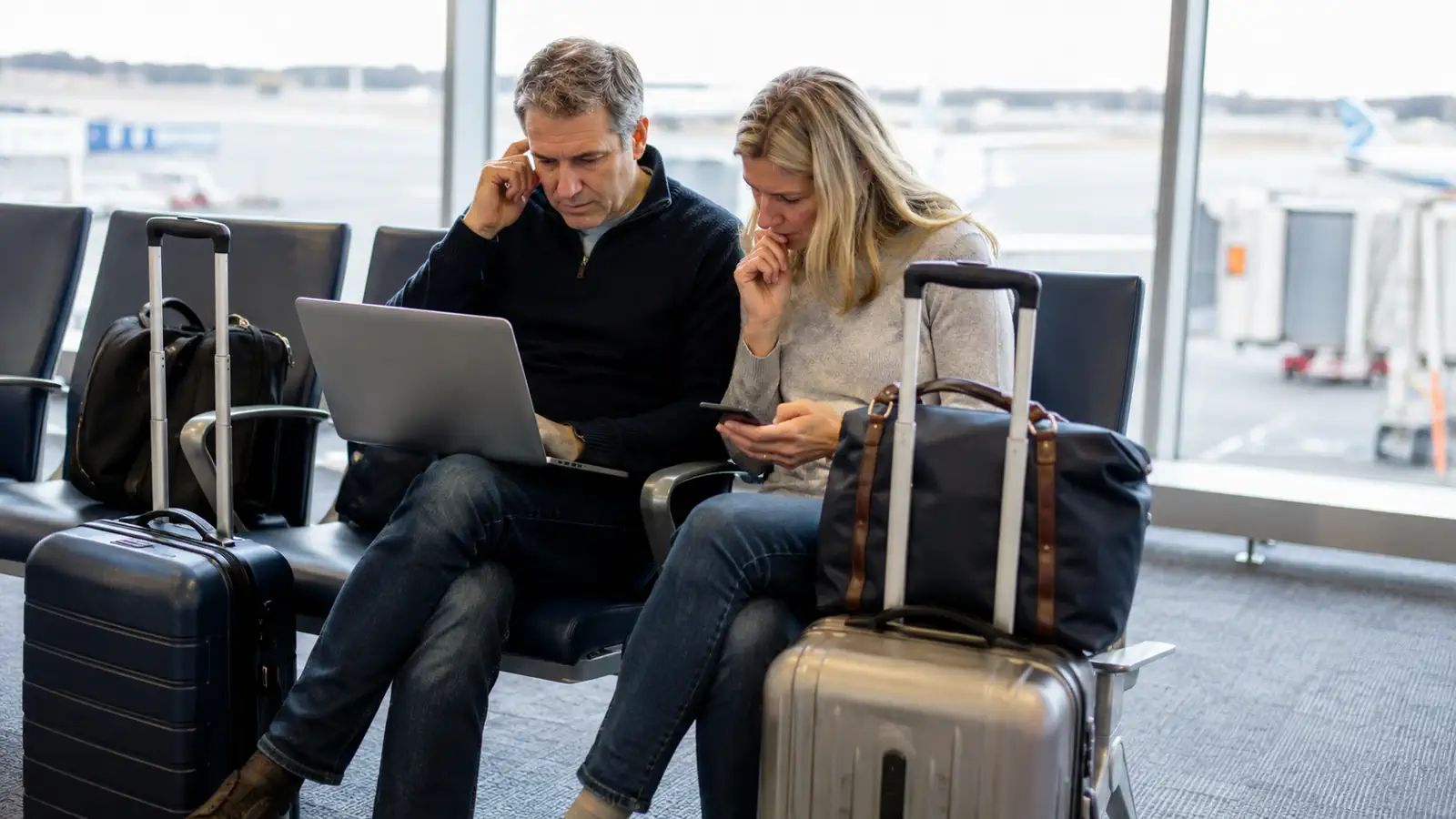
In one itinerary we reviewed, a passenger was travelling to Europe for a cruise. A disruption meant the replacement shown online departed the following day, which would have caused the passenger to miss the cruise.
Seats were limited at short notice, so we reviewed alternative itineraries and found a separate option on another airline that could arrive in time. This does not mean there were no other possible options, and it does not establish that buying the separate ticket was the only correct decision.
A separate last-minute ticket can involve substantial cost, restrictive conditions and a risk that British Airways will not reimburse it. It should follow a careful comparison of airline-provided alternatives, arrival deadlines, connection risks and written airline confirmation where reimbursement is expected. We do not claim that British Airways reimbursed or was required to reimburse the ticket in this example.
What to have ready before requesting help
Complete information makes it easier to identify the correct provider and compare realistic options.
- The six-character booking reference or 13-digit ticket number.
- The passenger name exactly as ticketed.
- The original itinerary and every remaining segment.
- Preferred new dates and any acceptable flexibility.
- Whether the passenger wants to change or cancel.
- Any deadline created by a cruise, event, connection or other arrangement.
Do not send passwords or one-time authentication codes. Share only the information required for the review, and obtain a written summary and separate payment authorization before an eligible paid change is processed.
Final change and cancellation checklist
Pause before confirming a request and verify both the financial and operational result.
- Confirm why the passenger wants to change or cancel and whether later travel is expected.
- Identify the booking source, ticket issuer and operating airlines.
- Read the complete fare rules and ticket-validity conditions.
- Separate airline penalties, fare difference, recalculated taxes and any applicable agency service fee.
- Compare refund, retained-ticket, credit, eVoucher and tax-only outcomes accurately.
- Check every connection, return segment, seat, bag and assistance request on a replacement itinerary.
- Avoid a no-show by contacting the appropriate provider before departure.
- During disruption, review airline-provided alternatives before buying a separate ticket.
- Obtain specific authorization before changing, cancelling or charging the passenger.
- Verify the new e-ticket receipt or written cancellation confirmation after action is completed.
Frequently asked questions
Can I change a British Airways flight?
A flight can be changed when the ticket conditions and available servicing channel permit it. Check the fare rules, ticket issuer, airline penalty, fare difference and recalculated charges before confirming.
How much does it cost to change a British Airways flight?
The total may include an airline penalty, fare difference, recalculated taxes or charges, and an applicable agency service fee. The exact amount depends on the ticket and replacement itinerary.
Can I cancel a British Airways flight and receive a refund?
Only when the fare conditions, disruption rules or applicable passenger rights make the ticket eligible. Another outcome may be retained ticket value, a permitted credit or eligible taxes only.
What happens when I cancel an Economy Basic ticket?
Restrictive Economy Basic fares may have limited voluntary cancellation value, but the applicable rules for the exact ticket determine whether any fare value, credit or eligible taxes can be recovered.
What is the difference between a flight credit and an eVoucher?
Flight credit is a general description of retained value. A British Airways eVoucher is a specific voucher with its own number, displayed expiry date and redemption conditions. An unused ticket is not automatically an eVoucher.
What happens if my new flight costs more or less than my eVoucher?
British Airways says the passenger pays the difference when the eligible booking costs more. When it costs less, the airline issues another eVoucher for the remaining value, subject to its current conditions.
Can I cancel a British Airways booking within 24 hours?
British Airways publishes a 24-hour full-refund guarantee for qualifying direct bookings, with exclusions including some imminent departures, bookings without immediate payment and package products. Agency-issued bookings must be checked with the issuer.
What happens if I miss my British Airways flight?
British Airways may cancel remaining return or onward flights if the booking was not cancelled before the check-in deadline. Any refund or retained-value eligibility depends on the ticket conditions and circumstances.
What can I do when British Airways cancels my flight?
Check Manage My Booking for available rebooking or refund options and contact the responsible provider when the displayed alternative is unsuitable. Eligibility for reimbursement, care or compensation requires confirmation under the applicable rules.
Who handles changes when I booked through a travel agency?
The issuing agency will normally handle voluntary changes, exchanges, cancellations and refunds for a fully unused agency-issued ticket. Responsibility can change after travel begins or during airline-controlled disruption, so confirm the correct provider.
Sources and review
Policies can change; confirm current details with the official provider before relying on them.
- British Airways changes and cancellations FAQs — British Airways
- British Airways Manage Booking FAQs — British Airways
- British Airways customer commitment — British Airways
- British Airways Conditions of Carriage — British Airways
- British Airways delays, cancellations and refunds — British Airways
- British Airways eVoucher guidance — British Airways
- British Airways global service fees — British Airways
- British Airways flight cancellation compensation — British Airways
Related British Airways guides
British Airways Manage Booking
Access a reservation and understand ticket, issuer and partner-airline limitations.
British Airways Booking Reference
Find and identify the booking reference used to access an itinerary.
British Airways Name Correction
Understand spelling corrections, legal-name updates and issuer responsibilities.
British Airways Seat Selection
Review seat-selection timing, charges and seating considerations.
British Airways Baggage Allowance
Check cabin and checked-baggage rules before travel.
British Airways Check-In
Prepare for online, mobile and airport check-in.